











Texas Holdem Poker Explained: A No-Nonsense Guide for Total Beginners
Texas Hold’em is an easy, beginner-friendly card game that brings excitement and friendly competition into a home game night.
However, if you are new to poker, even a “simple” game can feel confusing at first. Online guides are throwing in ten poker jargon within the first paragraphs (What is a “Royal Flush??”), while your poker-savvy friend is hardly coherent at explaining card rules after two beers.
This guide keeps things simple. If you want to understand the basic Texas Hold'em rules, what makes a good poker hand, and how to play Texas Hold'em at home, this article is for you.
In a Nutshell: What Is Texas Hold’em?
Texas Hold'em poker is a card game where each player tries to make the best 5-card hand.
Each player gets 2 private cards that only they can see. Then, 5 shared cards are placed in the middle of the table. You use any combination of your 2 private cards and the 5 shared cards to make the best 5-card poker hand.
The goal is simple: win the poker chips in the middle, also called the pot.
You can win in two ways:
-
Have the best hand when players show their cards.
-
Make everyone else fold before the hand reaches the end.
What Do You Need to Play Texas Hold’em?
To play Texas Hold’em at home, you only need a few basics:
-
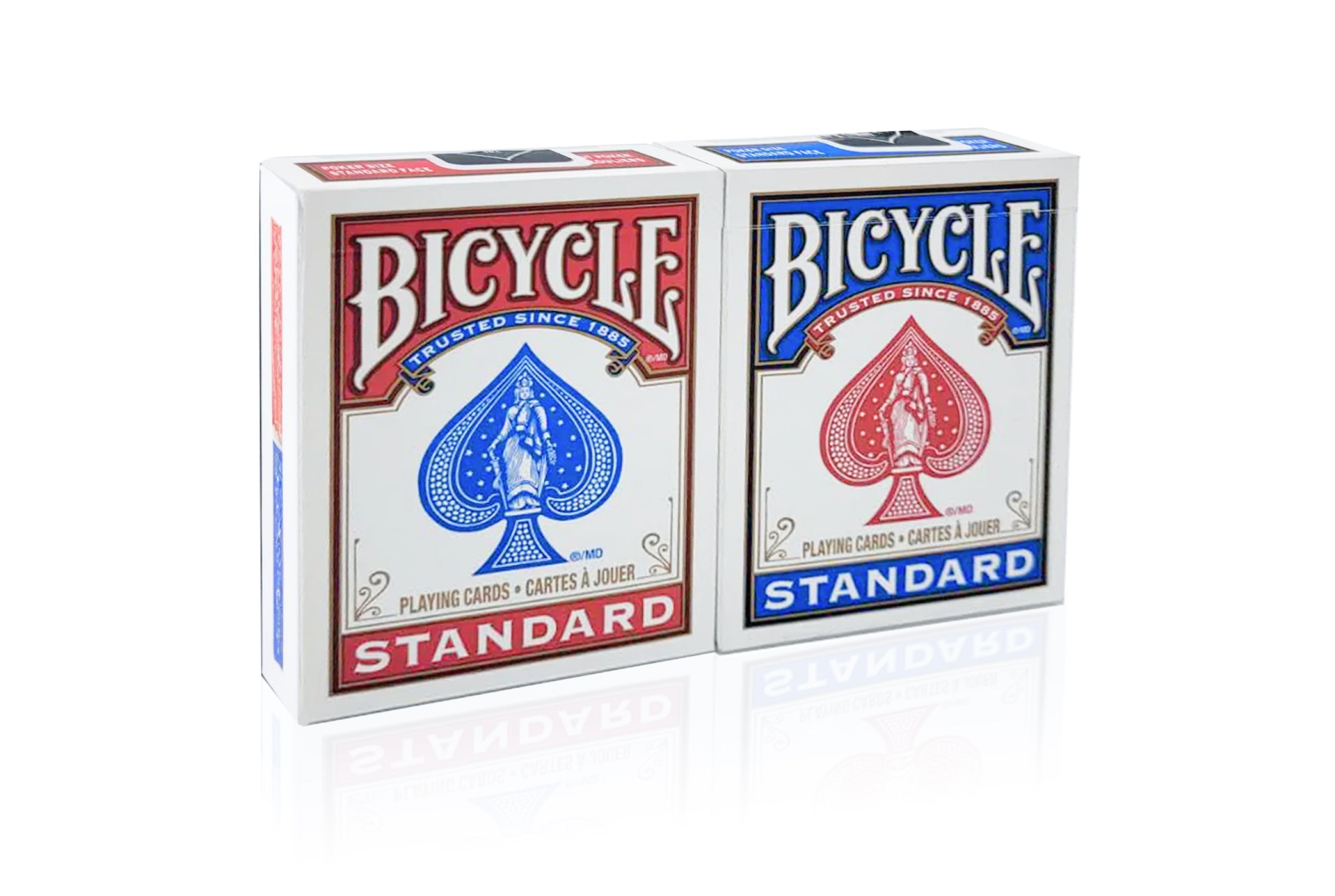
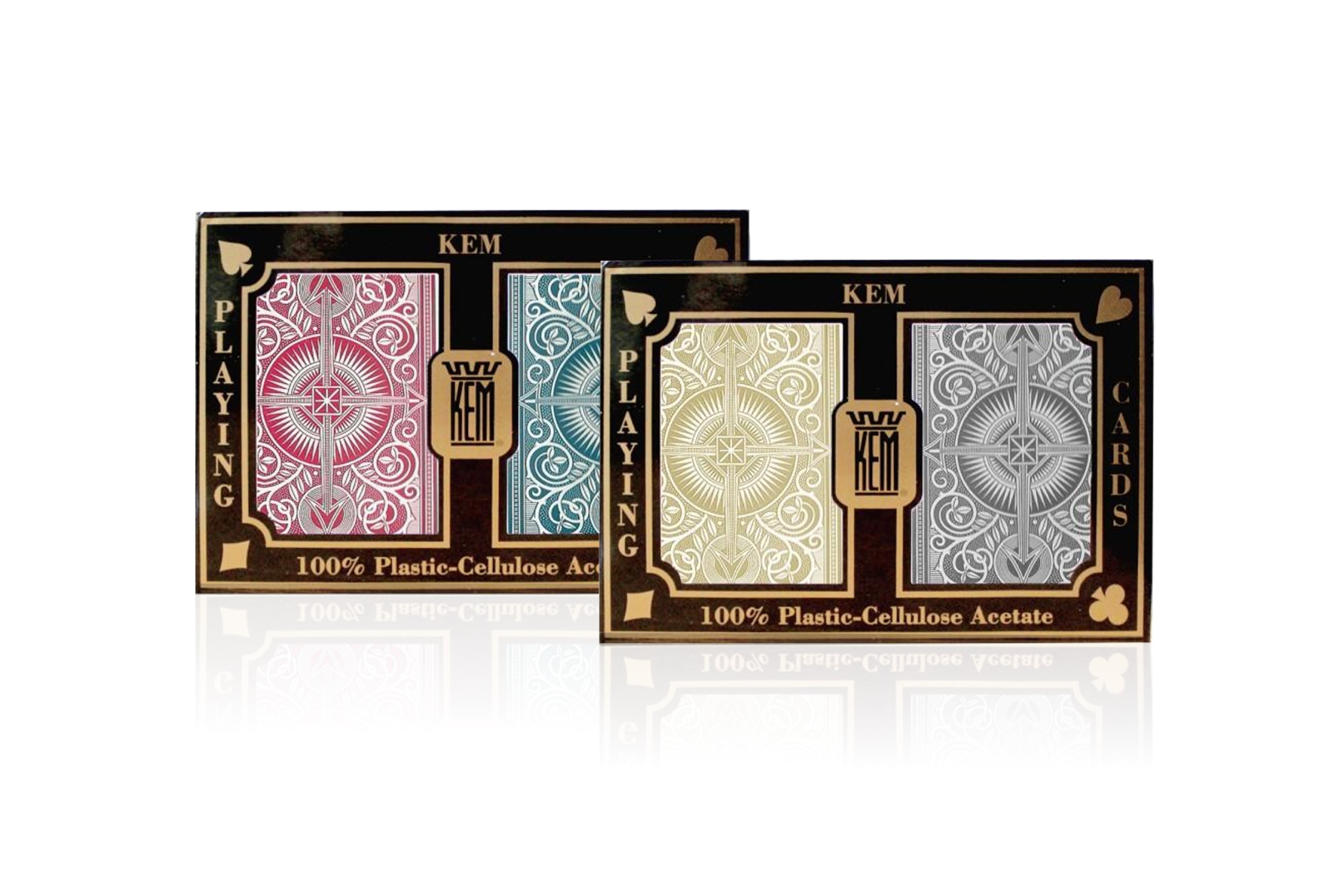
A standard deck of 52 playing cards (looking for new playing cards? You can never go wrong with a classic set of Bicycle Cards!)
-
2 or more players
-
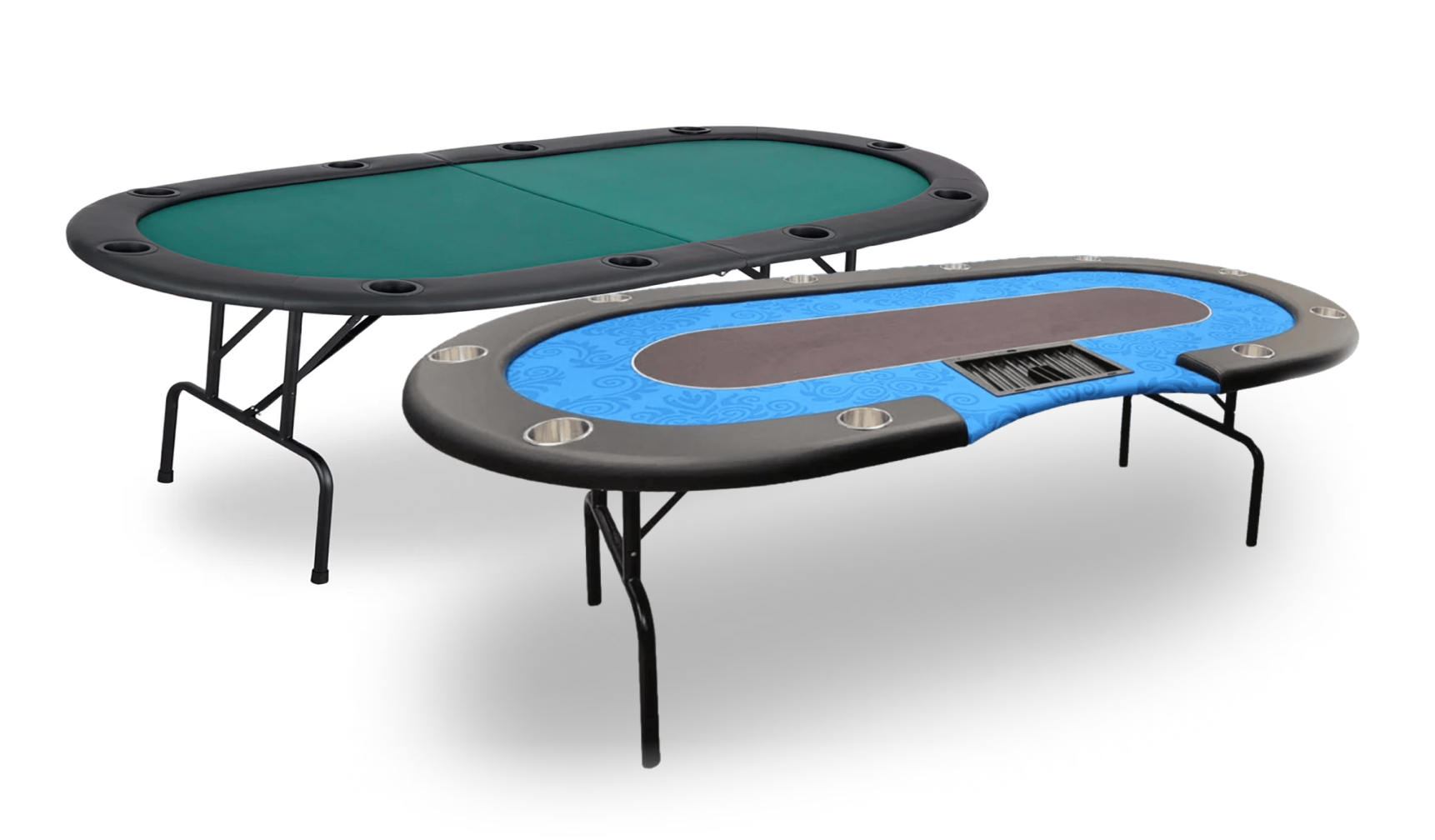
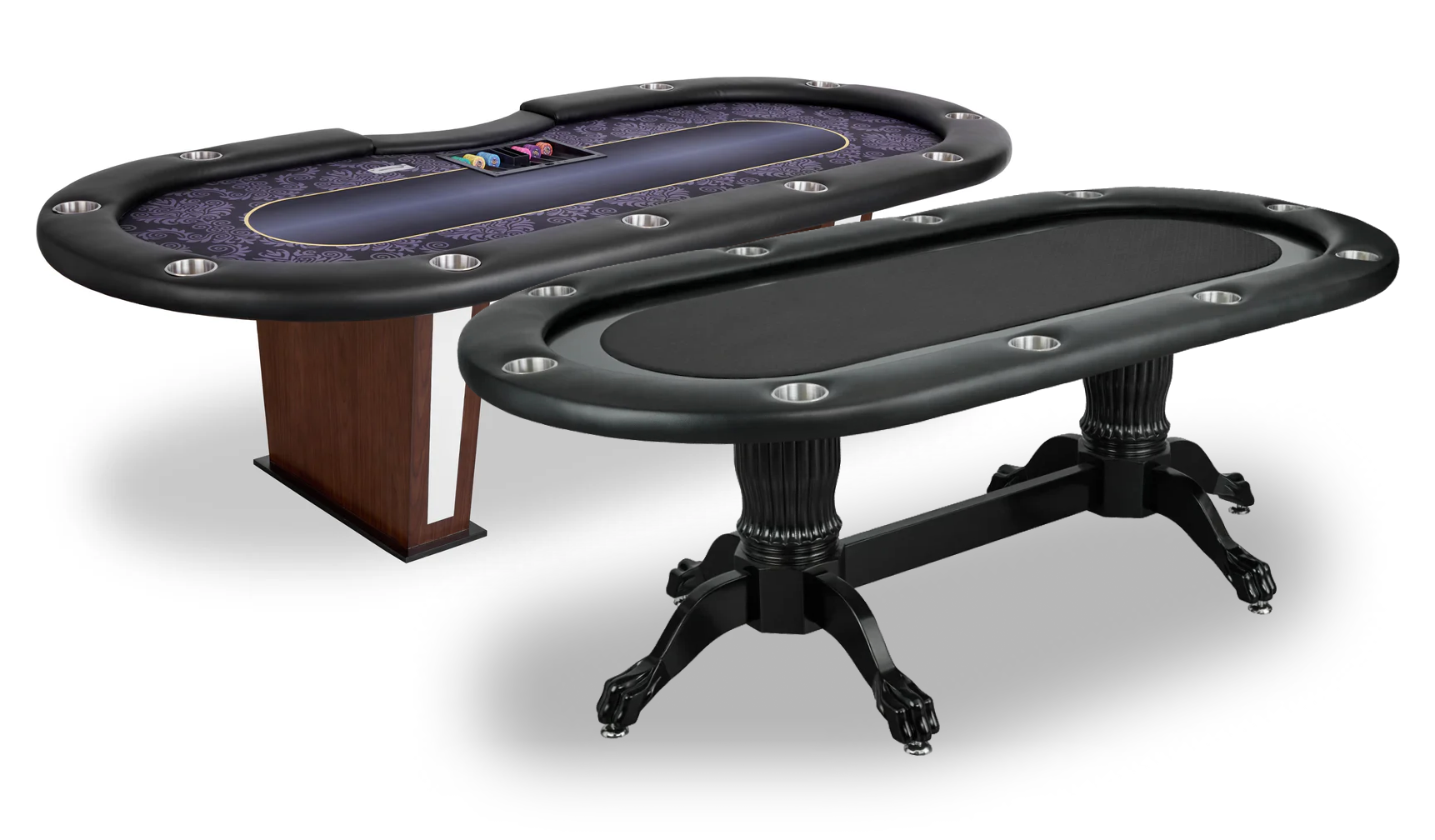
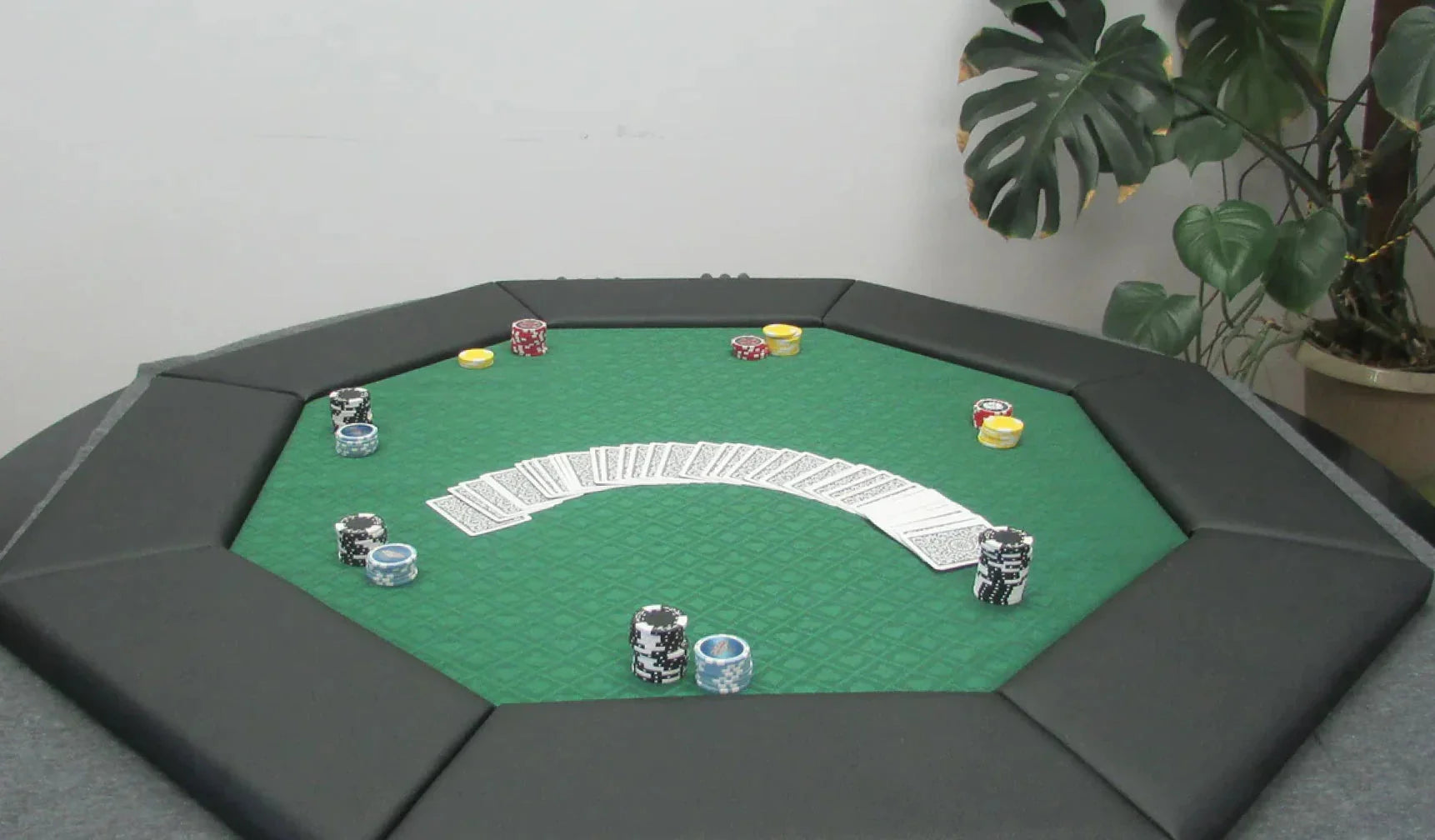
A poker table (or flat table)
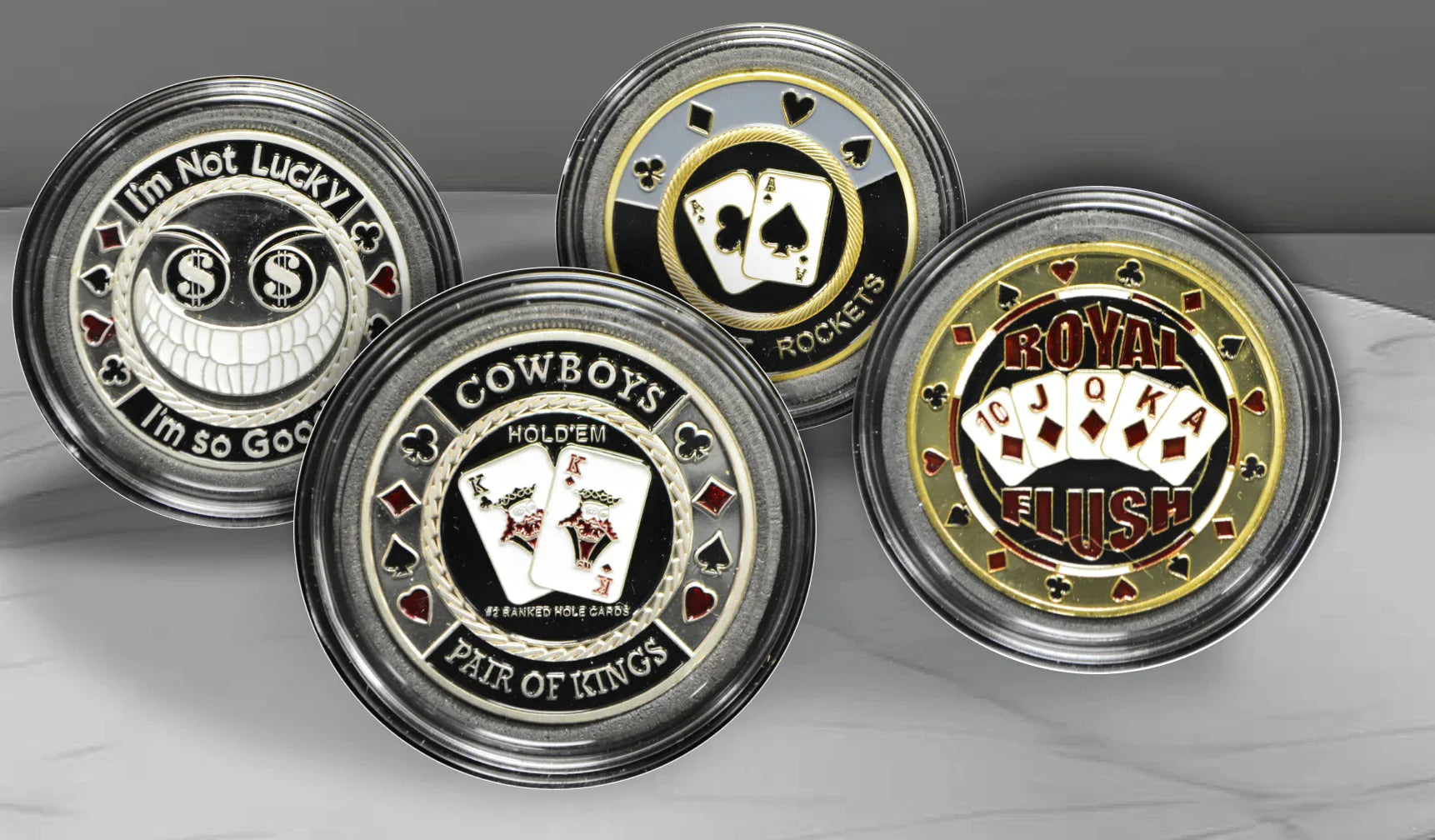
For a more complete home game setup, many players also use additional poker accessories like card guards and poker mats.
Texas Hold’em can work with small groups, but it usually feels best with around 4 to 10 players. For larger gatherings, you can set up multiple tables and play tournament-style.
What Makes a Good Hand?
In Texas Hold’em, the best 5-card hand wins.
Here is a simple Texas Hold'em hands ranking from strongest to weakest:
|
Rank |
Hand |
Beginner meaning |
|---|---|---|
|
1 |
Royal flush |
10, J, Q, K, A, all the same suit |
|
2 |
Straight flush |
5 cards in order, all the same suit |
|
3 |
Four of a kind |
4 cards with the same number |
|
4 |
Full house |
3 of one number + 2 of another number |
|
5 |
Flush |
5 cards of the same suit |
|
6 |
Straight |
5 cards in order |
|
7 |
Three of a kind |
3 cards with the same number |
|
8 |
Two pair |
2 cards of one number + 2 cards of another number |
|
9 |
One pair |
2 cards with the same number |
|
10 |
High card |
No pair, so your highest card matters |
For beginners, the general rule of thumb is this:
- A pair is better than having no pair.
- Two pair is better than one pair.
- Three of a kind is better than two pair.
- Straights, flushes, full houses, and four of a kind are even stronger.
You do not need to memorize every hand perfectly before your first game, but it helps to keep this Texas Hold'em Cheat Sheet or hand ranking chart nearby.
Key Poker Terms for Beginners
Before getting into the full gameplay, here are a few basic poker terms you should know.
Fold
You give up your hand and stop playing that round. You do this when you think your cards are not strong enough.
Call
You match the current bet and stay in the round.
Raise
You increase the current bet.
Check
You stay in the round without betting, but only if no one has bet before you in that betting round.
Pot
The chips in the middle of the table. This is what players are trying to win.
Community cards
The 5 shared cards placed in the middle of the table.
Private cards
The 2 cards dealt to each player. Only you can see your own private cards.
How to Play Texas Hold'em: One Round Explained
A round of Texas Hold’em is also called a hand.
Here is the basic flow:
1. Everyone Gets 2 Private Cards
Each player receives 2 cards face down.
These are your private cards. You do NOT show them to other players.
2. First Betting Round
Players look at their 2 private cards and decide what to do.
You can usually fold, call, or raise, depending on what has happened before your turn.
3. The Flop
The dealer places 3 shared cards face up in the middle of the table.
These are called the flop.
Now every player still in the hand can use these shared cards together with their own 2 private cards.
4. Second Betting Round
Players bet again based on how strong their hand looks after the flop.
Some players may now have a pair, two pair, or a possible straight or flush.
5. The Turn
The dealer adds 1 more shared card to the middle.
This card is called the turn.
There are now 4 shared cards on the table.
6. Third Betting Round
Players bet again.
At this point, some hands may become stronger, and some players may decide to fold.
7. The River
The dealer adds the final shared card to the middle.
This card is called the river.
There are now 5 shared cards in the middle.
8. Final Betting Round
Players make their final betting decisions.
Anyone still in the hand after this betting round goes to showdown.
9. Showdown
Players still in the hand reveal their 2 private cards.
Each player makes their best 5-card hand using any combination of:
-
Their 2 private cards
-
The 5 shared cards in the middle
The player with the strongest 5-card hand wins the pot.
Simple Example of a Texas Hold’em Hand
Let’s say you have:
A♠ 9♠
The shared cards in the middle are:
A♦ 10♠ 4♠ 2♠ J♠
You can use your private cards and the shared cards to make this hand:
A♠ J♠ 10♠ 9♠ 4♠
That is a flush, because all 5 cards are spades.
If no other player has a stronger hand, you win the pot.
This is why understanding Texas Hold'em poker hands matters. Sometimes your hand looks average at the start, but the shared cards can completely change the result.
What Happens If You Fold?
If you fold, you give up your 2 private cards and stop playing that hand.
You cannot win the pot anymore, but you also do not need to put more chips into that round.
After the hand ends, a new round begins, and everyone gets 2 new private cards.
So folding does not mean you are out of the whole game. It only means you are out of that one hand.
Beginner Tips:
If you are new to Texas Hold’em, keep these simple tips in mind:
-
Do not feel like you need to play every hand.
-
A pair is a good start, but it is not always enough to win.
-
Pay attention to the shared cards in the middle.
-
If the middle cards could create a flush or straight, be careful.
-
Folding is normal and often smart.
-
Keep a Texas Hold'em hands ranking chart nearby when you are learning.
-
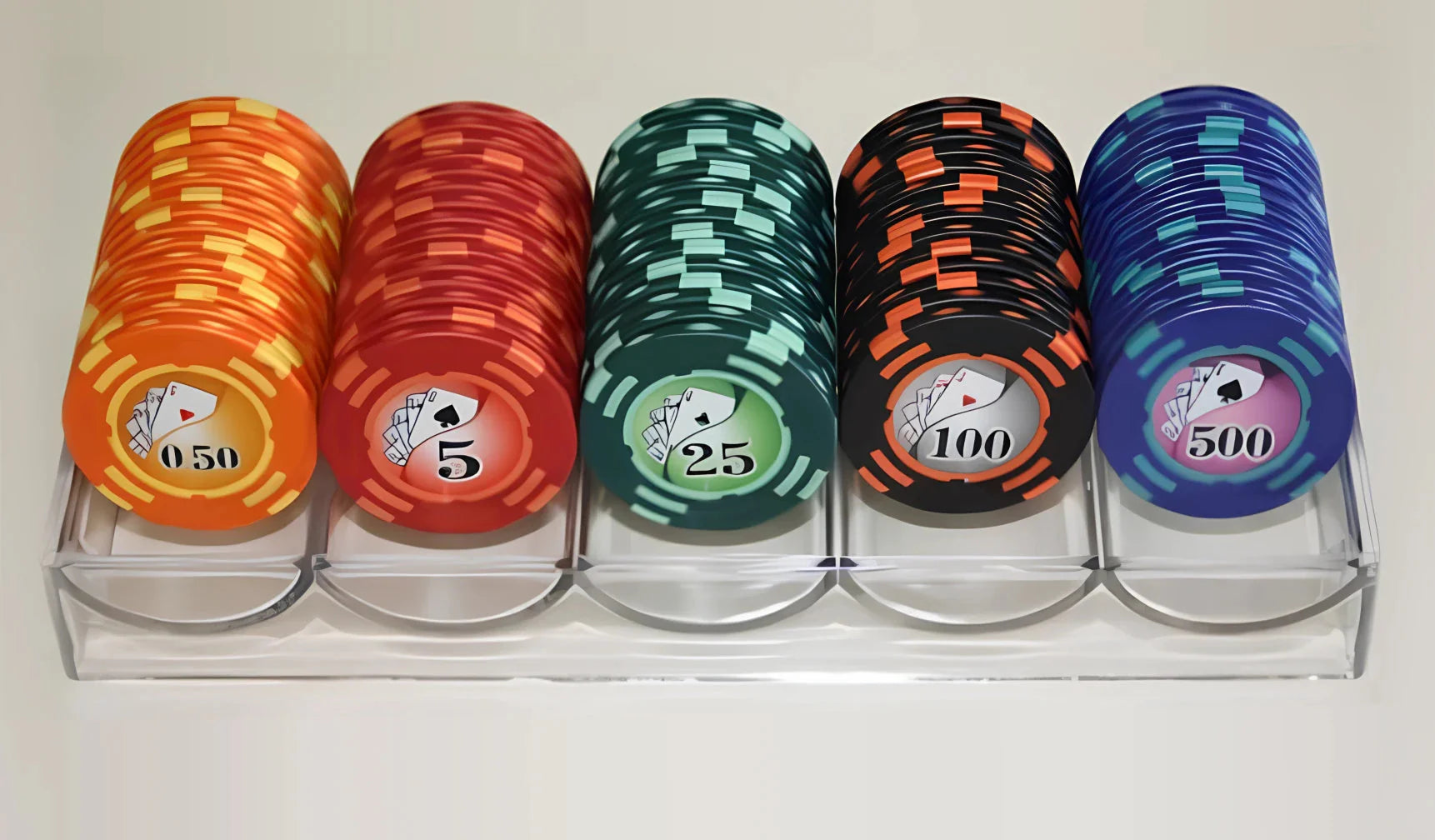
Use poker chips instead of random objects so betting is easier to follow. (Looking to truly make the game your own? We offer custom made poker chips!)
-
A poker mat can help make the game feel more organized (Check out our Texas Hold'em specific poker mats designed to make gameplay and instruction way easier for beginners.)
Final Thoughts
Texas Hold’em may seem confusing at first, but the basic idea is simple.
Are you ready to jump into a Texas Hold'em game night with friends and family? Check out our wide selection of poker accessories, including poker cards, poker tables, poker mats, poker chip sets, and poker chip cases.


